How Old Is Carol Burnett? The Timeless Legacy of a Comedy Icon
How Old Is Carol Burnett? The Timeless Legacy of a Comedy Icon
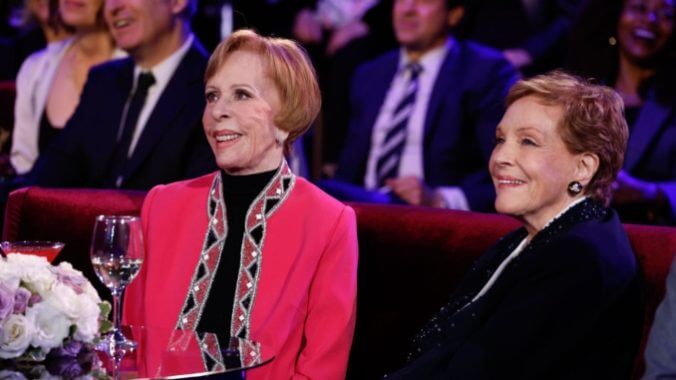
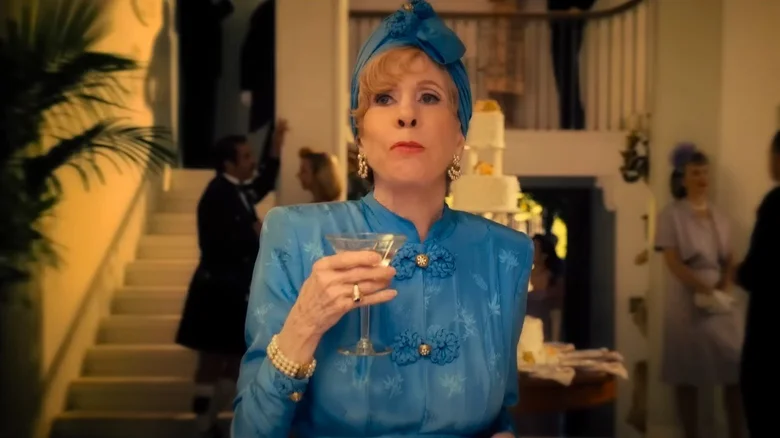
As a television pioneer whose wit and warmth defined three generations of entertainment, few names resonate as powerfully as Carol Burnett’s. Known for her sharp timing, impeccable comedic range, and unforgettable television performances, the question “How old is Carol Burnett now?” opens a door to a career spanning over eight decades. At 96 years old, Burnett remains a towering figure whose influence on comedy, television, and popular culture is both profound and enduring.
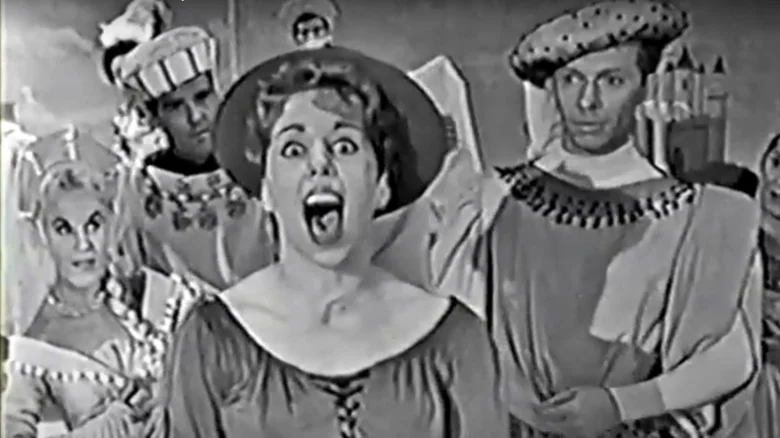
Her journey from vaudeville stages to sitcom stardom underscores a relentless drive to entertain with authenticity and brilliance. At the heart of Burnett’s legacy is her seminal role on *The Carol Burnett Show*, which aired from 1962 to 1978 and revolutionized the variety-comedy format. The show, which blended sketches, musical numbers, and recurring characters, became a cultural touchstone.
Among its most enduring elements was Burnett’s mastery of transforming a character from polite housewife to sharp-tongued regulars—most famously Mary Rivers, whose “That’ll make three!” catchphrase became iconic. Her ability to balance warmth and razor-sharp satire set a new standard for television comedy, paving the way for future generations.
Born on May 30, 1921, in Chicago, Illinois, Burnett entered show business with early exposure to performance, thanks in part to her mother’s involvement in local theater.
Her professional path began in regional theater and soap operas, but it was her transition to television during the golden age of variety shows that cemented her stardom. A deep, resonant voice and a commanding stage presence allowed her to command attention, whether portraying figments of domestic life or fully realized character studies. Industry insiders emphasize her disciplined work ethic and refusal to compromise artistic integrity, traits that sustained her relevance through shifting entertainment landscapes.
Over the course of her career, Burnett’s chronological journey reflects not just personal evolution, but the transformation of American television.
From weekly sketches featuring emerging stars like Jack Klugman and Martha Hyer, to ensemble-driven humor that celebrated everyday life, her show adapted subtly yet powerfully to changing audience sensibilities. The longevity of “The Carol Burnett Show” — longer than several subsequent decades of prime-time TV — speaks to the timeless appeal of her comedy, rooted in relatable characters and honest human observation. Even decades after its final broadcast, reruns continue to reach new, younger audiences, proving the enduring power of well-crafted humor.
As Carol Burnett approaches her 96th year, her presence remains dynamic.
Despite natural aging, her performances retain sharpness, her smile effortless, and her engagement with fans consistent. Veteran collaborators recall her as both demanding and generous—pushing cast members to excellence while fostering deep camaraderie. Interviews with current talent on recent series highlight her enduring influence, describing her as a benchmark of comedic precision and emotional authenticity.
Burnett’s ability to evolve without losing essence underscores why she is not merely a relic, but a living standard-bearer of comedy.
Beyond television, Burnett’s impact ripples through theater, literature, and popular memory. Her work has been celebrated in retrospectives at the Kennedy Center and by multiple award organizations, including multiple Emmy honors and a Lifetime Achievement Award.
Her story invites deeper reflection on age, creativity, and legacy: that age does not diminish artistic vitality but often enriches it with depth, perspective, and refined humor. In a world of fleeting fame, Carol Burnett stands as a testament to enduring craft — a 96-year-old whose voice still captivates, inspires, and reminds audiences why laughter matters.

Related Post
Paul Reubens: Peewee Herman’s Velocity Icon Dies at 70, Ends a Pub Crawl With Legacy That Endures</h2> In a twilight marked by both cinematic memory and untold facets of his life, Paul Reubens, the man behind the slobbery, eccentric, and outspoken Peewee Herman, passed away at 70. Known for redefining childhood rebellion on screen, Reubens’ death closes a chapter in American pop culture, one that blended vulgar humor with heartfelt authenticity. Once a household name from the 1980 hit film, his legacy extends far beyond the red-and-white striped shorts, now inseparable from the character who captured a generation’s cantankerous charm. <p>Born in Baltimore, Maryland, in 1952, Reubens emerged not just as an actor but as a performer unafraid of pushing boundaries. His embodiment of Peewee Herman—a defiant, snarly-haired antihero—blended physical comedy with sharp, streetwise dialogue that struck a chord with audiences hungry for authenticity. The Peewee Herman series, though commercially successful, often overshadowed Reubens’ broader artistic range. Few realize he appeared in Broadway plays, voice acting, and even avant-garde theater, proving his talents extended well beyond children’s television. As *Chicago Sun-Times* noted in its obituary, “Reubens was more than a child star—he was a performer who leveraged innocence into subversion.” <h3>A Career Built on Risk and Voice</h3> Reubens’ early career was defined by bold choices. Before Peewee, he starred in off-Broadway productions such as *The Spook Who Sat by the Door*, where his dramatic range simmered beneath the surface, hinting at complexity beneath the goof. With Peewee Herman, launched in 1985, he abandoned subtlety entirely: “Make them laugh, make them weird, make them remember,” Reubens once said, capturing the essence of his performative philosophy. The character’s signature voice—raspy, gravelly, dripping with sass—became iconic, a vocal signature recognized by millions. <p>The 1980s explosion of Peewee Herman’s films turned Reubens into a curious cultural paradox: a serious actor whose most beloved role was pure absurdity. Yet, in interviews, he insisted his performance was deliberate—a nuanced portrait of teenage defiance. “I didn’t play a cartoon character,” he explained. “I played a version of me—rough around the edges, protective of friends, screwed up, but loyal.” This authenticity resonated in an era increasingly skeptical of artificial corporate branding, making Peewee’s appeal timeless. <h2>Personal Life and Shadows Beyond the Spotlight</h2> Beyond the screen, Reubens navigated a life marked by both acclaim and private complexity. Always a confessed fan of rock ’n’ roll and jazz, his persona extended into music and visual art, though these pursuits rarely entered mainstream discourse. He resided in New York’s Greenwich Village, a neighborhood steeped in artistic tradition, maintaining long-standing friendships with peers across disciplines. <p>Despite the glare of fame, Reubens valued privacy fiercely. The Velvet Crimeoclub — a performance space and cultural hub — served as a sanctuary where he entertained trusted artists and writers. In rare public appearances, he spoke candidly of battling creative stagnation and the weight of typecasting, once remarking, “People remember the mask, not the man.” Such reflections humanized the performer, revealing layers beneath the red-and-white attire. <h3>Leadership, Mentorship, and the Legacy of Peewee</h3> Reubens’ influence reached beyond performance into mentorship. He supported emerging artists through workshops and collaborative projects, particularly those exploring boundary-pushing storytelling. The Peewee Herman Archive, now studied in theater programs, illustrates how he transformed personal quirks into universal themes of identity and belonging. <p>The character became a cultural touchstone, symbolizing youthful rebellion and resilience, but Reubens resisted reducing himself to a symbol. “Herman isn’t me,” he clarified in *Sun-Times* features, “he’s a story I inherited—and a story I continue telling, oddly enough, decades later.” This duality—public icon, private craftsman—defined his enduring presence. <h2>Enduring Impact: Why Peewee Herman Still Slaps the Nerve</h2> Even after the curtain fell, Peewee Herman retains pulse in internet memes, fashion revivals, and genre homages. His snarl, “You ya ridiculous—bury me!” echoes in viral clips and social commentary. Yet Reubens’ true legacy lies not in viral fame but in the authenticity he brought to every role. <p>Critics and fans alike praised his ability to fuse humor with emotional truth. As theater historian Dr. Elena Park observed, “Reubens taught audiences that vulnerability and absurdity coexist. He made slobberness feel sincere.” Whether in a Intervals show, a Broadway curtain call, or a private art session, Paul Reubens remained fundamentally creative—too often typecast, never fully understood. <h1>Paul Reubens, Peewee Herman’s Velocity Icon Dies at 70 — Ends a Velocity Legacy That Never Grew Old

Wendy’s Debuts Bold New Drink Line: Refreshment Redefined

Uncover Your 1992 Chinese Zodiac Element: Water Monkey — Asterisk That Defined a Generation
Now Time In La: When the Sun Sets on Productivity and Begins a New Era of Connection