Bob Marley: The Rasta Prophet Who Redefined Music, Culture, and Resistance
Bob Marley: The Rasta Prophet Who Redefined Music, Culture, and Resistance
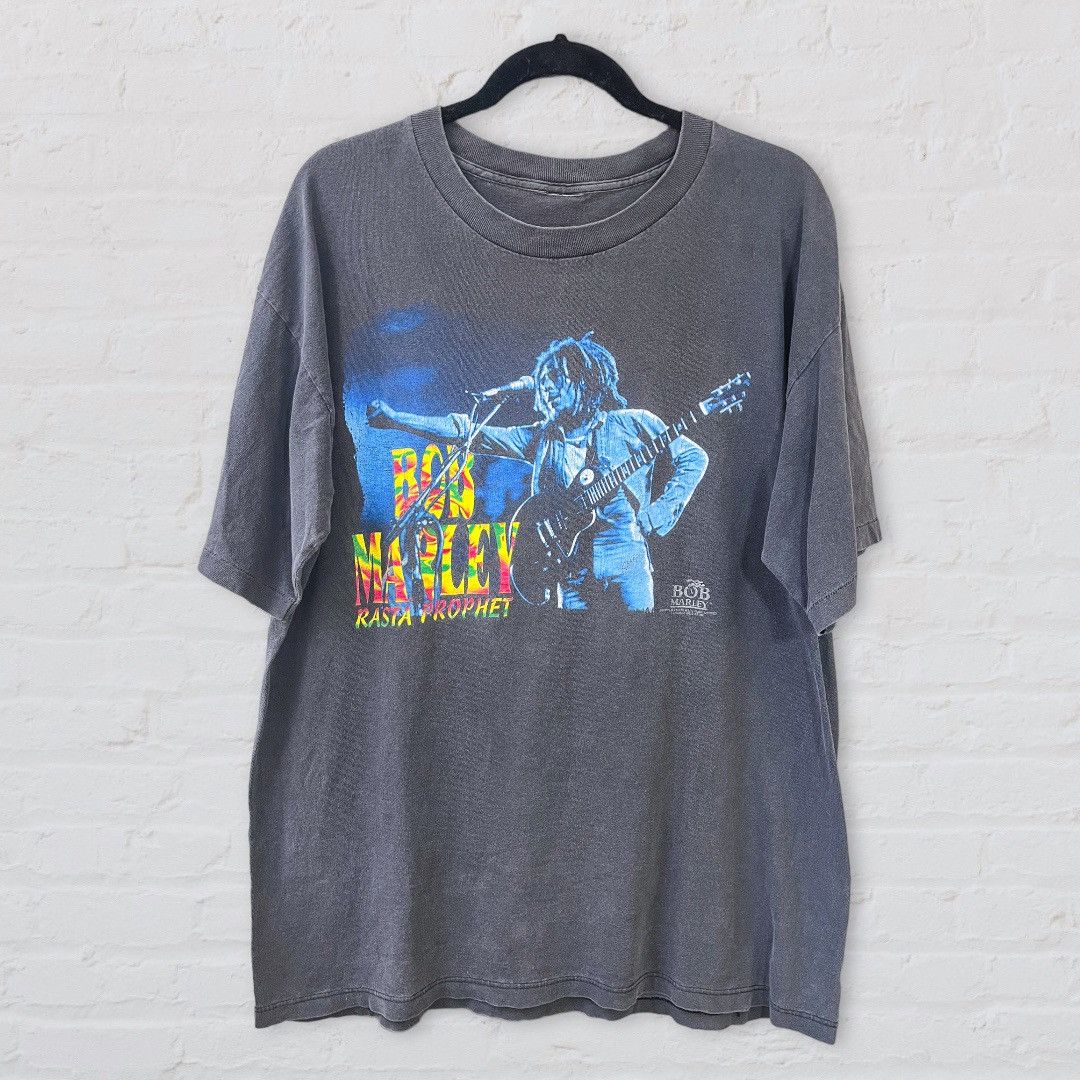
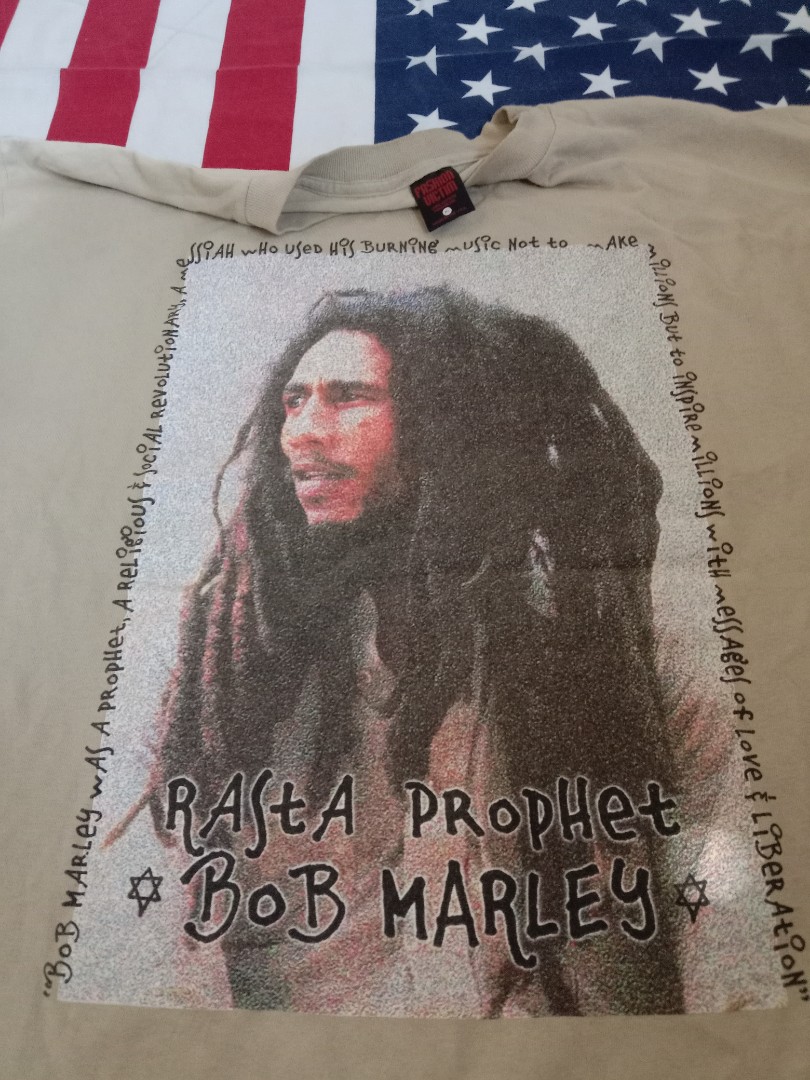
Bob Marley is more than a musician—he is a global icon whose voice fused reggae, spiritual philosophy, and political resistance into a timeless cultural force. Born in 1945 in Nine Mile, Jamaica, Marley transformed the sound of a small island into a worldwide movement, using rhythm and poetry to speak truth to power. His legacy endures not only in lyrics that resonate across generations but in a cultural renaissance that elevated Rastafarian philosophy, Caribbean identity, and peaceful rebellion to international prominence.
More than a celebrity, Marley became a symbol of unity, hope, and the unyielding pursuit of justice—an icon whose influence continues to shape music, fashion, activism, and global consciousness. Marley’s journey began in the racially divided landscapes of post-colonial Jamaica, where economic hardship and social marginalization fueled a deep yearning for dignity. Raised in Nine Mile, a village steeped in Rastafarian thought, he absorbed the spiritual and philosophical foundations that would later permeate his music.
His early collaborations with producer Coxsone Dodd in Kingston’s Studio One laid the groundwork for a revolutionary sound—one that blended traditional mento, ska, and rocksteady with conscious lyrics rooted in African heritage and anti-imperialism. By the mid-1960s, Marley’s voice emerged alongside The Wailers, delivering groundbreaking tracks like “Simmer Down” and “TI possibility” that fused infectious rhythms with layered social commentary.
Marley’s music was never purely entertainment; it was a mission.
His lyrics wove resistance, unity, and spiritual awakening into melodic storytelling, turning songs into anthems. “No Witchcraft,” released in 1973, marked a pivotal shift from his earlier reggae to a clearer articulation of Rastafari values and political defiance. “Exodus,” often hailed as his magnum opus, presented infrastructure and identity not as distant dreams but urgent imperatives—“Come together, bring hope, where there’s despair.” Critics and fans alike recognized this body of work as a modern spiritual manifesto, articulating the struggles of the dispossessed while proclaiming belonging to a higher truth.
Marley’s global breakthrough came not through traditional pathways but through the diplomatic power of sound.
Despite limited early mainstream success outside Jamaica, his 1977 live album
Exodus
—recorded in London for Island Records—catapulted him to international stardom. The June 1978 concert in Kingston’s Mother’s Attorney stadium, which drew over 80,000 fans, became a defining moment: thousands danced under the sun, synchronized in movement, united by rhythm and rock. This event wasn’t just a concert—it was a cultural referendum, proving reggae’s global appeal and Marley’s role as a bridge between Caribbean resistance and international audiences.“I sing for peace,” he declared, “but my songs also carry a sword—fired to awaken silence, not to destroy.”
- Cultural Diplomacy Through Sound: Marley’s performances often doubled as acts of soft diplomacy, turning music into a vehicle for cross-cultural understanding. His embrace of Rastafari symbolism—dreadlocks, cannabis as sacred herb, “I and I” theology—challenged stereotypes and invited Western listeners into a worldview centered on love, justice, and ecological harmony.
- Activism Woven into Art: Underneath the melodic surface, Marley embedded calls to action. Songs like “Buffalo Soldier” contextualized Black historical resistance, while “Redemption Song” demanded inner liberation: “Emancipate yourselves from mental slavery; none but ourselves can free our mind.”
- The Globalization of Reggae: Marley’s international tours—spanning Africa, Europe, and the Americas—elevated reggae from a Jamaican genre to a universal language.
In South Africa during apartheid, his music became an underground rallying cry; in the Middle East and Europe, it inspired youth movements seeking autonomy and self-expression.
Marley’s impact extends far beyond music selling millions or awards received. He reshaped how culture functions as resistance. His groups, including The Wailers and later Marley’s bands like The Leaves and Caterial Management, cultivated a collective ethos rooted in communal work, spiritual discipline, and global outreach.
The Bob Marley Foundation continues his work, supporting education, music programs, and sustainable farming in Jamaica—living embodiments of his belief in upward movement and shared prosperity.
The Rasta Kan, as he was known, bridged the spiritual and the political, the local and the global, the personal and the universal. His voice connected ears across borders, but more than that, it stirred hearts. As scholar Horace Miner noted, “Bob Marley didn’t just play songs—he broadcasted a message.
In every beat, in every line, he spoke truth with a smile.” This duality—musician and missionary, entertainer and activist—cemented his legendary status. In an era defined by division, Bob Marley’s enduring legacy is a testament to music’s power to heal, challenge, and unite. He was not only a figure in music and culture—he was its living conscience.
Today, Marley’s resonance endures: his albums sell millions, his symbolic image appears on merchandise worldwide, and his lyrics remain embedded in viral social commentary and protest movements.
More than four decades after his passing in 1981, Bob Marley’s message—abolitionism, harmony, and the sacredness of freedom—still moves millions. In a world grappling with identity, inequality, and climate crisis, his iconic voice offers not only nostalgia but a blueprint: culture, when rooted in truth and shared joy, can transform the world.

Related Post
Paul Reubens: Peewee Herman’s Velocity Icon Dies at 70, Ends a Pub Crawl With Legacy That Endures</h2> In a twilight marked by both cinematic memory and untold facets of his life, Paul Reubens, the man behind the slobbery, eccentric, and outspoken Peewee Herman, passed away at 70. Known for redefining childhood rebellion on screen, Reubens’ death closes a chapter in American pop culture, one that blended vulgar humor with heartfelt authenticity. Once a household name from the 1980 hit film, his legacy extends far beyond the red-and-white striped shorts, now inseparable from the character who captured a generation’s cantankerous charm. <p>Born in Baltimore, Maryland, in 1952, Reubens emerged not just as an actor but as a performer unafraid of pushing boundaries. His embodiment of Peewee Herman—a defiant, snarly-haired antihero—blended physical comedy with sharp, streetwise dialogue that struck a chord with audiences hungry for authenticity. The Peewee Herman series, though commercially successful, often overshadowed Reubens’ broader artistic range. Few realize he appeared in Broadway plays, voice acting, and even avant-garde theater, proving his talents extended well beyond children’s television. As *Chicago Sun-Times* noted in its obituary, “Reubens was more than a child star—he was a performer who leveraged innocence into subversion.” <h3>A Career Built on Risk and Voice</h3> Reubens’ early career was defined by bold choices. Before Peewee, he starred in off-Broadway productions such as *The Spook Who Sat by the Door*, where his dramatic range simmered beneath the surface, hinting at complexity beneath the goof. With Peewee Herman, launched in 1985, he abandoned subtlety entirely: “Make them laugh, make them weird, make them remember,” Reubens once said, capturing the essence of his performative philosophy. The character’s signature voice—raspy, gravelly, dripping with sass—became iconic, a vocal signature recognized by millions. <p>The 1980s explosion of Peewee Herman’s films turned Reubens into a curious cultural paradox: a serious actor whose most beloved role was pure absurdity. Yet, in interviews, he insisted his performance was deliberate—a nuanced portrait of teenage defiance. “I didn’t play a cartoon character,” he explained. “I played a version of me—rough around the edges, protective of friends, screwed up, but loyal.” This authenticity resonated in an era increasingly skeptical of artificial corporate branding, making Peewee’s appeal timeless. <h2>Personal Life and Shadows Beyond the Spotlight</h2> Beyond the screen, Reubens navigated a life marked by both acclaim and private complexity. Always a confessed fan of rock ’n’ roll and jazz, his persona extended into music and visual art, though these pursuits rarely entered mainstream discourse. He resided in New York’s Greenwich Village, a neighborhood steeped in artistic tradition, maintaining long-standing friendships with peers across disciplines. <p>Despite the glare of fame, Reubens valued privacy fiercely. The Velvet Crimeoclub — a performance space and cultural hub — served as a sanctuary where he entertained trusted artists and writers. In rare public appearances, he spoke candidly of battling creative stagnation and the weight of typecasting, once remarking, “People remember the mask, not the man.” Such reflections humanized the performer, revealing layers beneath the red-and-white attire. <h3>Leadership, Mentorship, and the Legacy of Peewee</h3> Reubens’ influence reached beyond performance into mentorship. He supported emerging artists through workshops and collaborative projects, particularly those exploring boundary-pushing storytelling. The Peewee Herman Archive, now studied in theater programs, illustrates how he transformed personal quirks into universal themes of identity and belonging. <p>The character became a cultural touchstone, symbolizing youthful rebellion and resilience, but Reubens resisted reducing himself to a symbol. “Herman isn’t me,” he clarified in *Sun-Times* features, “he’s a story I inherited—and a story I continue telling, oddly enough, decades later.” This duality—public icon, private craftsman—defined his enduring presence. <h2>Enduring Impact: Why Peewee Herman Still Slaps the Nerve</h2> Even after the curtain fell, Peewee Herman retains pulse in internet memes, fashion revivals, and genre homages. His snarl, “You ya ridiculous—bury me!” echoes in viral clips and social commentary. Yet Reubens’ true legacy lies not in viral fame but in the authenticity he brought to every role. <p>Critics and fans alike praised his ability to fuse humor with emotional truth. As theater historian Dr. Elena Park observed, “Reubens taught audiences that vulnerability and absurdity coexist. He made slobberness feel sincere.” Whether in a Intervals show, a Broadway curtain call, or a private art session, Paul Reubens remained fundamentally creative—too often typecast, never fully understood. <h1>Paul Reubens, Peewee Herman’s Velocity Icon Dies at 70 — Ends a Velocity Legacy That Never Grew Old

WhatsApp On PC: Your Guide To The Desktop App

Wedding A Celebration Of Love And Joy: Ainsley Earhardt And Sean Hannity’s Heartfelt Journey Through Devotion

Martin Henderson Partner: Trusted Voice Shaping Global Conversations on Finance, Innovation, and Strategic Vision


