Alles Gute Zum Vatertag: A Deep Dive into Family, Gratitude, and Tradition
Alles Gute Zum Vatertag: A Deep Dive into Family, Gratitude, and Tradition
Every year, on the final Sunday in June, millions of households across Germany prepare to honor fathers with heartfelt messages, thoughtful gifts, and a cultural ritual deeply rooted in tradition. “Alles Gute zum Vatertag” is more than a seasonal greeting—it’s a moment when families reaffirm bonds, express appreciation, and celebrate the enduring role of fathers in shaping lives. As digital and print media surge with seasonal campaigns, this day stands out as a unique blend of ancient customs and modern connection, offering a chance to reflect on fatherhood’s evolving significance.
Origins and Evolution of Vatertag: From Ritual to Celebration
The roots of Vatertag stretch back over a thousand years to early Germanic and pagan customs, when June marked the transition into spring labor season and ancestral rites honored male familial figures. Originally tied to religious observances—particularly Catholic traditions like Corpus Christi vespers—Vatertag was historically a day for giving thanks, often involving community feasts and blessings tied to nature’s renewal. By the 19th century, industrialization shifted its character: fathers became celebrated not just for labor, but as moral anchors and providers, a shift mirrored in evolving national narratives.Today, while religious significance has waned, the ritual endures—now amplified by commercial campaigns, expanded gift-giving, and inclusive recognition of all father figures, including step- and foster fathers. “
Related Post

IPad Pro 11-inch Showdown: 2018 vs. 2020 Models — Which Top Tablet Delivers the Edge?

Lisa Boothe Fox News Bio: Age, Height, and Impact of a Rising Media Voice

Erroll Garner Live ‘63 & ‘64: A genius’s jazz brilliance captured in stunning HD
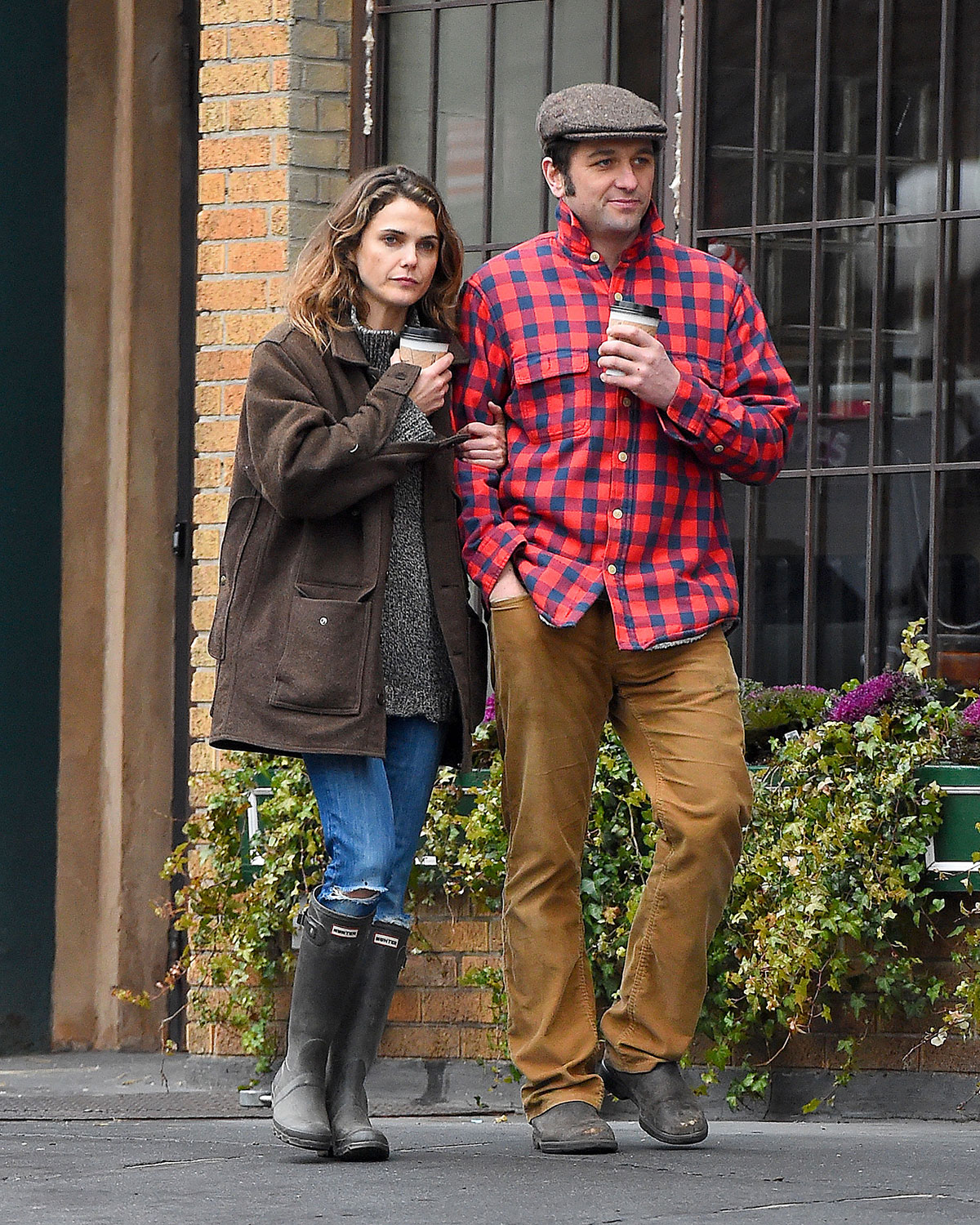
Keri Russell and Matthew Rhys’ Split: What Hollywood’s Iconic Couple Actually Left Behind